Photos Courtesy
Warren: Cut from America's cloth
Warren: Cut from America's cloth
Peter Holoien MA ’14 weaves the spirit of New England’s small mill towns into every fiber of his company
by Samantha Bronson
AFTER PETER HOLOIEN MOVED from Santa Barbara to Boston, he and his wife would spend their weekends taking road trips throughout New England. He quickly got a feel for the region, including its history of textile manufacturing.
“It’s pretty hard to miss out here; there are small mill towns all over New England,” says Holoien, who now lives in Vermont. “Some of the old mill buildings are still standing but abandoned. Some have been repurposed into apartments and museums and more. But there’s still a handful of mills and sewing shops that are very focused on not only making good products but also keeping the tradition alive in New England.
“Over time, this idea of textile mills sort of slowly took hold in my brain. I thought, ‘Maybe I should start a brand and play whatever part I can in restoring the industry here and telling their stories and seeing if we can make some great clothes.’”

The result is Warren, a small clothing company focused on helping rebuild the region’s textile industry. Now in its second year of operation, Warren sells a curated collection of men’s clothing meant to evoke a distinct sense of place — with products inspired by, designed and manufactured in New England. Holoien, the company’s sole employee, works directly with local mills to make the fabric for Warren’s collection and then with local sewing shops to sew it into clothing, which is designed by a New England-based designer.
The response has been overwhelmingly positive. Warren’s core customers are men, typically ages 30 to 55, who are looking for quality craftsmanship and sustainability in their clothing and who are willing to spend more for it. The reaction to Warren’s flannel shirt, in particular, has been great, Holoien says. The shirt retails for $295, and shoppers praise its unique combination of rugged durability and softness.


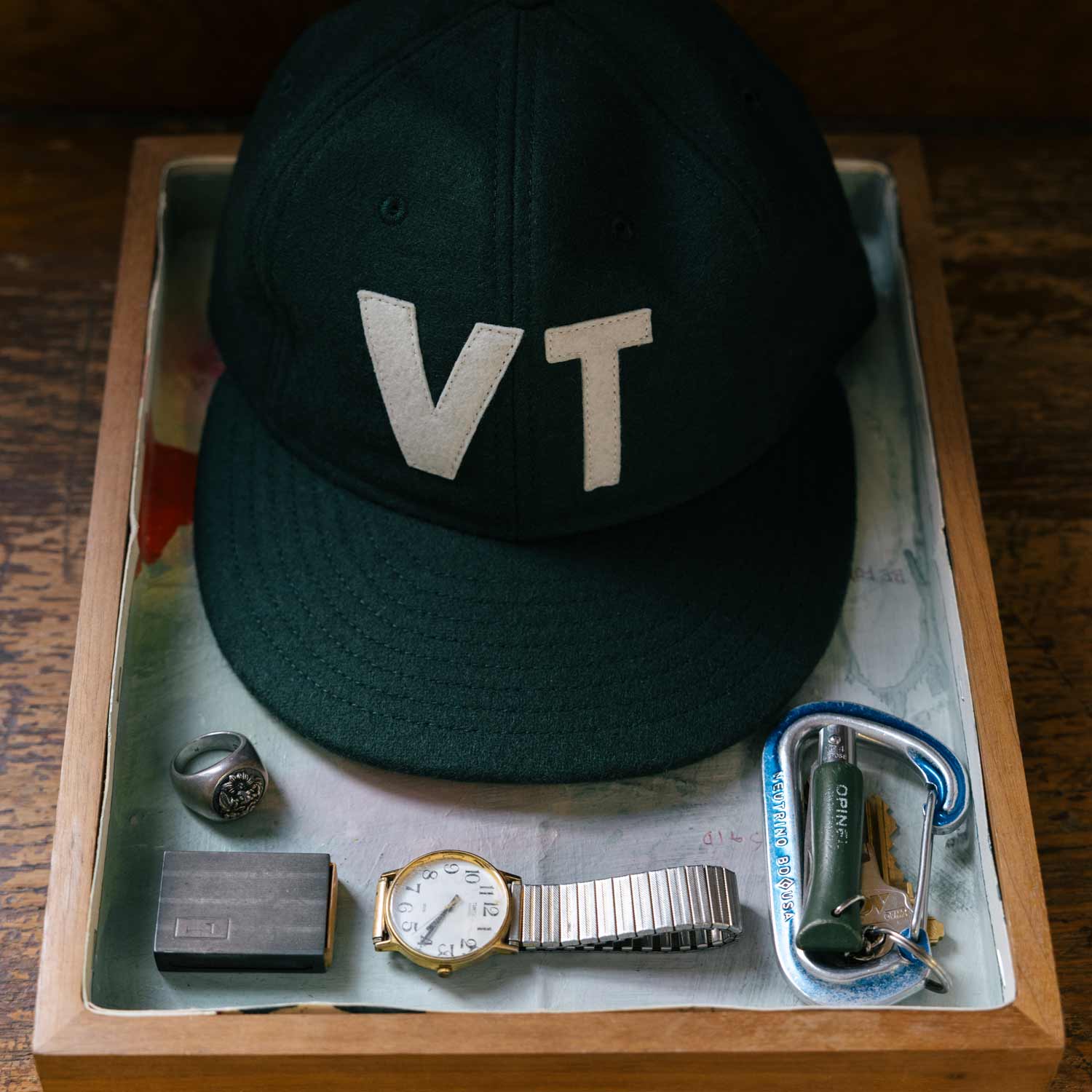
The story behind the shirt also resonates with customers, Holoien said. As with all Warren’s products, the shirt’s online description includes details of its origins, including where the cotton was grown, where the yarn was made into fabric, and where any other finishing details happened. Item descriptions often name the specific New England mill that created the fabric.
Jacob Long, president of American Woolen Company, praises Holoien’s commitment to understanding what it means for a piece of clothing to truly reflect New England. For example, the flannel shirt, which is made with American Woolen fabric, is weightier than most similar shirts. “Those beefier fabrics are part of what makes New England unique,” Long says. “Warren is really trying to bring back the tradition of the New England apparel scene.”
Holoien, in his own words, loves to nerd out on the history of the textile industry. Textile manufacturing was the first big industry not only in New England, he says, but also in the country. As the country grew up, some production moved to the American South to be closer to where the cotton was grown. Eventually, many larger brands moved production overseas in search of cheaper labor and wider profit margins, leaving abandoned mills in their wake.
Many images of Warren’s products use these abandoned mills as their background, locations Holoien chose intentionally to visually demonstrate the impact of offshoring and to contrast that with the work Warren is doing.
As he continues to grow the brand — he’s recently expanded into several small boutique retailers around New England — Holoien draws on the business philosophies he learned at UCSB. He’s also leaning into the connections he made with fellow classmates, many of whom are entrepreneurs themselves and were among Warren’s first customers, and he’s appreciating the importance of relationships.
“I work really closely with my manufacturing partners, whether it’s the fabric mills or the sewing shops,” Holoien says. “I know the owners personally and how invested they are in keeping the tradition alive here. I’m excited to do what I can to make that happen. Ultimately, my goal is to make high-quality clothing that’s good for the Earth and benefits small businesses in New England.”